Web designing in a powerful way of just not an only professions. We have tendency to believe the idea that smart looking .

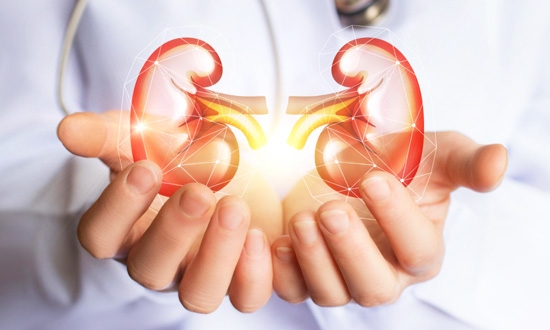
Kidney Transplantation

In our kidney transplantation program, which is conducted with the coordination of a surgical team, we have a diverse group of specialists including Organ Transplant Surgeons, Nephrologists, Pediatric Nephrologists, Anesthesiologists, Cardiologists, Urologists, Interventional Radiologists, Infectious Diseases specialists, tissue laboratory experts, organ transplant nurses, and organ transplant coordinators. Our strong academic staff across all disciplines supports our patients throughout the preparation, transplantation process, and post-transplant follow-up.

Since its establishment in 2010, our unit has successfully performed kidney transplants for both adult and pediatric patients using kidneys obtained from cadaveric or living donors. The laparoscopic (minimally invasive) surgeries performed on our living organ donors enhance patient comfort.

Applications Performed at Our Kidney Transplant Center

Pre-Transplant Follow-Up: The follow-ups for our adult and pediatric patients with kidney disease are conducted by the Nephrology and/or Pediatric Nephrology Departments. Registration on the National Cadaver Kidney Waiting List: Patients with end-stage renal failure who are being monitored by the Nephrology and/or Pediatric Nephrology Departments are registered on the national cadaver kidney waiting list by the Kidney Transplant Coordination Unit. The registrations of our patients are updated every 6 months.
Kidney Transplant Preparation: When our patients choose kidney transplantation as the most effective treatment method, the preliminary preparations are carried out by the Nephrology and/or Pediatric Nephrology Departments and are evaluated with the relevant divisions. Comprehensive check-ups are conducted for both our patients and living organ donors. The preparation management we implement for our patients and organ donors has been introduced to the literature as the Malatya Algorithm.
Kidney Transplant Council: Our patients and living organ donors who have completed the preliminary preparations conducted by the Nephrology and Pediatric Nephrology Departments are evaluated during the Kidney Transplant Council meetings held every Monday from 11:00 AM to 1:30 PM. Although kidney transplants with living donors are planned for our patients, their registrations on the national cadaver kidney waiting list are maintained until the kidney transplant surgery is completed. For patients awaiting cadaveric kidney transplantation on the National Cadaver Kidney Waiting List, the Kidney Transplant Council convenes urgently for evaluation. Our tissue laboratory provides 24/7 support services to many centers in the region.
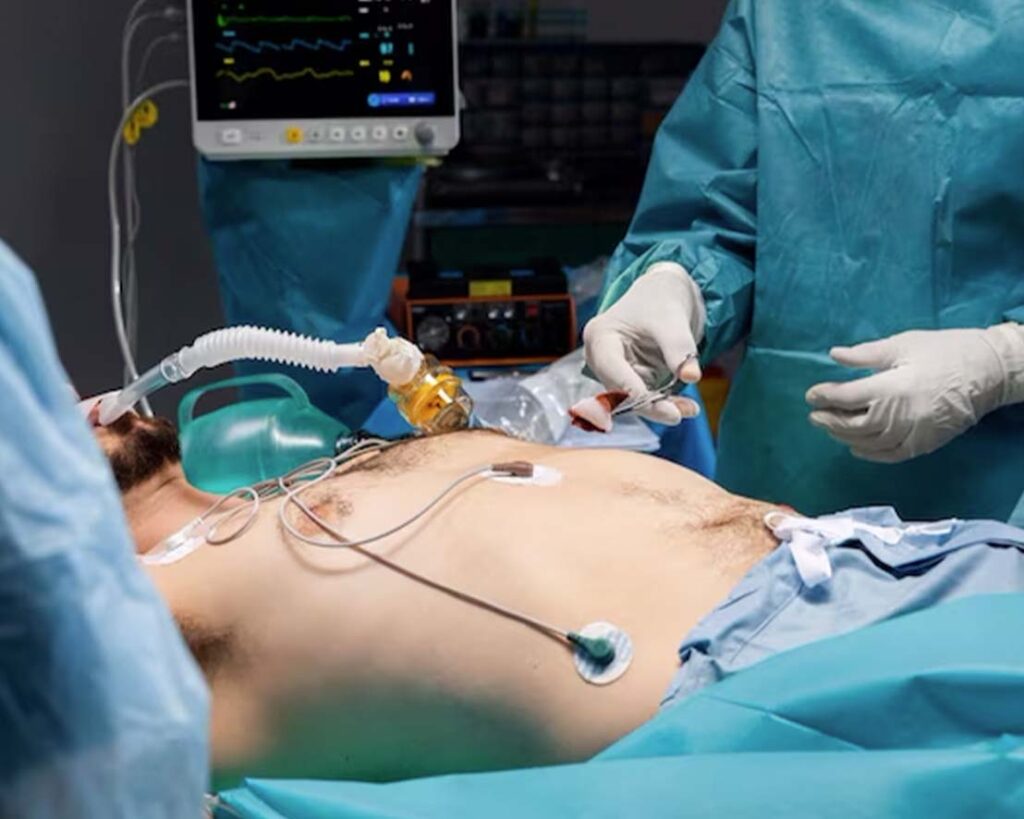
Kidney Transplant Surgery: Prior to the surgery, education is provided to patients deemed suitable for transplantation by the Kidney Transplant Council, as well as to their living organ donors and their relatives. This education is conducted by organ transplant surgeons and the kidney transplant coordinator. Patients and organ donors are admitted to the Organ Transplant Service to complete their final preparations before surgery. In the Organ Transplant Service, both patients and organ donors are monitored in single rooms. The surgeries for our patients and living organ donors are performed simultaneously. The surgeries for our recipients are conducted using standard open methods, while the surgeries for our organ donors are performed using laparoscopic (minimally invasive) techniques. Patients are typically discharged on the average 5th day post-kidney transplant, while organ donors are discharged on the 2nd day.
Post-Surgery Follow-Up: The follow-ups for patients and organ donors are managed at regular intervals according to the provided follow-up schedule. In the early post-operative period, organ transplant surgeons play an active role. Late post-operative follow-ups are conducted by the Nephrology and/or Pediatric Nephrology Departments. Periodic updates regarding patients and organ donors are shared with council members during the weekly Kidney Transplant Council meetings. Our patients can maintain 24/7 communication with our kidney transplant coordinator. – The official procedures for our patients coming from abroad are monitored by our International Patient and Health Tourism Unit. Our Kidney Transplant Unit is honored to touch the lives of our patients and their families with TRUST and LOVE.

Information for Our Patients

Kidney Failure Kidney failure is characterized by a sudden or gradual decrease in kidney function, leading to an increase in metabolite levels. Chronic Kidney Failure Chronic kidney failure is characterized by the progressive decline in kidney function over time and has five stages. In the final stage (stage 5), renal replacement therapy becomes inevitable. Renal Replacement Therapy Dialysis (Hemodialysis and Peritoneal Dialysis) and Kidney Transplantation (from cadaveric or living donors) form the basis of renal replacement therapies. – Considering patients’ survival, comfort, and economic expenses, kidney transplantation has superior outcomes compared to dialysis treatments. In children, kidney transplantation is more effective in supporting growth and development. – When examining patients’ survival rates and the long-term function of the transplanted kidney, the success rate of preemptive kidney transplants (performed before starting dialysis) is higher than that of transplants performed after dialysis (especially long-term dialysis). Organ Donation Organ donation is the act of donating an organ to another person without expecting anything in return. Why Organ Donation? The number of patients registered on the waiting list for organ transplants due to organ failure is increasing exponentially each year. Hundreds of thousands of people are waiting for organs, and tens of thousands lose their lives while waiting. Approximately 1.5 million people worldwide are undergoing dialysis treatment for kidney failure. Although the number of patients registered on the waiting list for organ transplants due to organ failure continues to rise each year, the need for organ donation has not reached the required level. Those who donate organs (cadaveric) illuminate not only the lives of patients but also potential living donors.